Our Journey
In Mozambique, mental health is facing a silent yet devastating crisis. According to the World Health Organization (WHO), the country ranks among the 10 nations with the highest suicide rates, estimated at 40 deaths per 100,000 people. Most of those affected are young people between the ages of 15 and 25—the age group that makes up more than 65% of the population and drives the country's future. Many of these young people grow up without emotional guidance, exposed to rigid or unaffectionate family environments and without access to psychological support, eventually seeking refuge in risky behaviors. This reality affects more than individuals: it impacts families, communities, and organizations, undermining productivity, social cohesion, and human development.
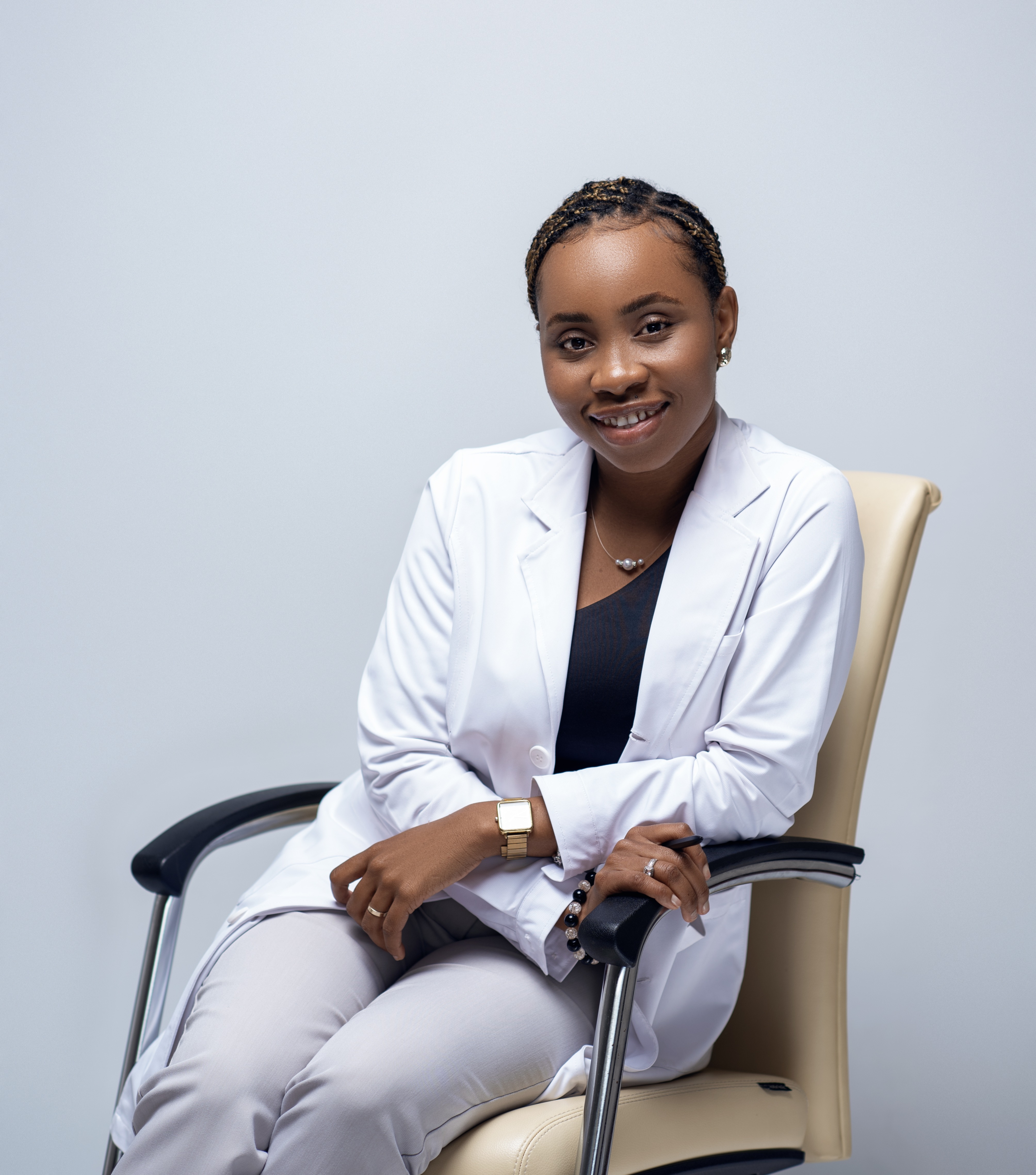
Faced with this reality, the founder felt called to take action. Dr. Dercia Rita B. Massingue is a clinical psychologist and social innovator. From an early age, she witnessed friends and colleagues fall into drug use and self-destructive behaviors, while families struggled with rigid parenting patterns and a lack of emotional support. These experiences showed her that mental health cannot be a distant privilege; it is essential for everyone to find balance and purpose. Thus, the EQUILIBRIO Psychological Counseling Center was born, with the aim of creating pathways to care, guidance, and positive role models for young people, adults, and organizations.
At Equilíbrio Psychological Counseling Center, we turn challenges into practical solutions. We offer accessible psychological support, practical tools, and emotionally healthy learning environments, helping everyone develop resilience, self-awareness, and well-being. We believe that investing in mental health is a strategy for social transformation and human development. When individuals find balance, families find harmony, and organizations become more productive and mindful, society as a whole benefits.
We are here to change the mental health narrative in Mozambique so that young people, adults, and communities do more than survive—they thrive, with support, guidance, and positive role models.